Plan your visit
From Anápolis to Barro Alto: route and distance
About 185 km via the BR-414 and BR-080, the shortest route among the major reference cities.
Updated on October 4, 2026 ✓ Information checked on October 4, 2026 adapted from the Portuguese original
Anápolis, a logistics and industrial hub in Goiás, is the closest large city to Barro Alto by road. For those coming from Goiânia, it is also the natural first stop along the way.
By car
Approximate distance: ~185 km · time: ~2h20 without stops (route calculated with OpenStreetMap data, October 2026).
Route: from Anápolis, take the BR-414 (federal highway) heading north and continue to the BR-080, which leads to Barro Alto. Check your navigation app for roadworks on the day.
Why the link matters
Anápolis is home to the distributors, haulage companies, industries and the dry port that supply inland Goiás. Companies and suppliers serving mining and agribusiness in Barro Alto — see economy of Barro Alto — tend to use this corridor.
By bus
We found no direct Anápolis – Barro Alto bus line in the AGR (state transport regulator) timetables we consulted. The option is to travel to Goiânia or Goianésia and take the Auto Viação Goianésia lines that reach Barro Alto. See how to get there.
Tips
- Fill up in Anápolis before heading north.
- In the rainy season (November to March), take extra care on wet roads.
- Roadside emergencies in Brazil: 190 (police), 192 (ambulance, SAMU) and 193 (fire brigade).
Frequently asked questions
How many kilometres is it from Anápolis to Barro Alto?
About 185 km, with an estimated time of 2h20 without stops, via the BR-414 and BR-080 (route calculated with OpenStreetMap data).
Keep reading
Keep reading
-
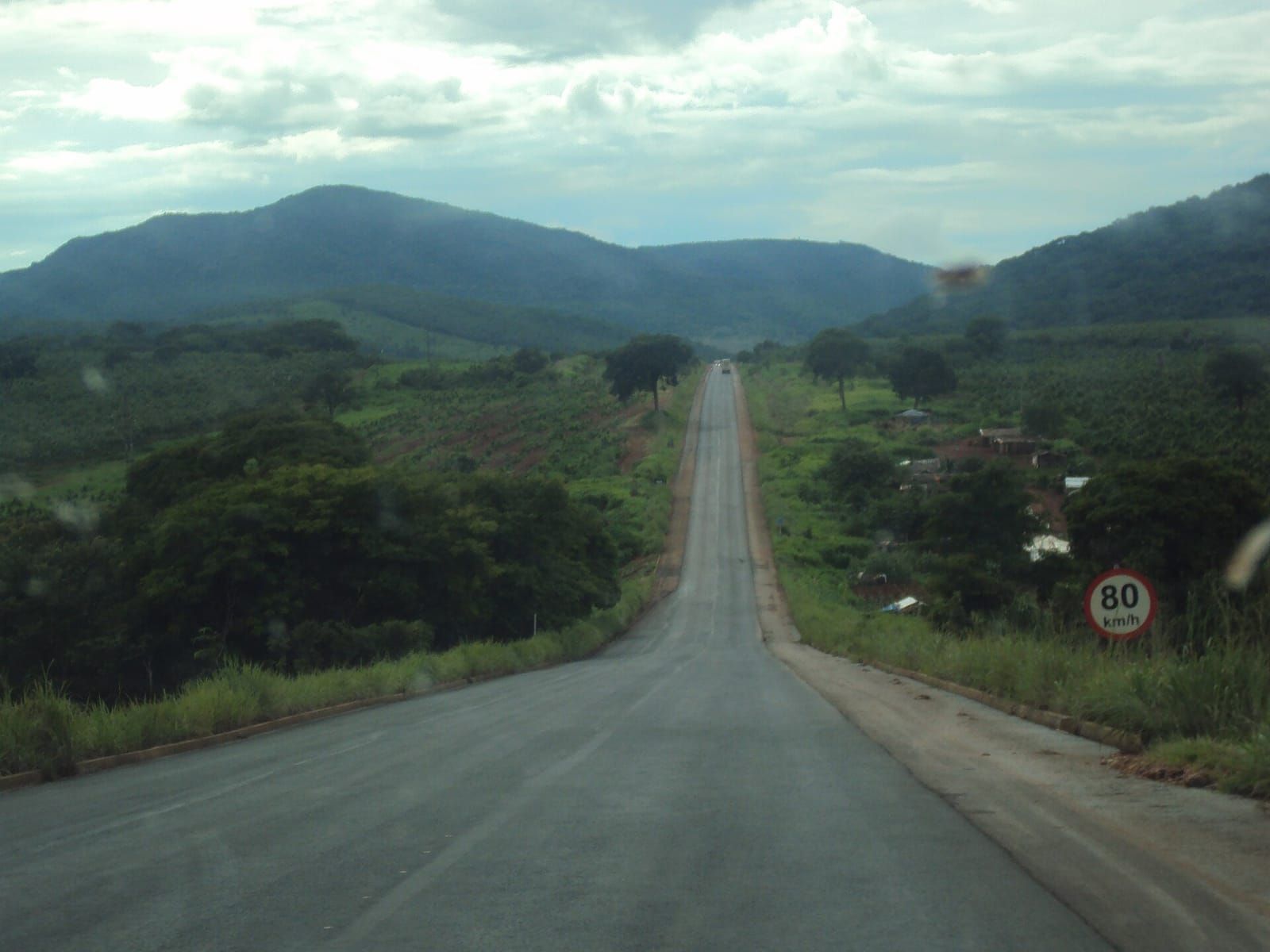 How to get to Barro Alto, Goiás: car and bus Highways, approximate distances and the regulated bus lines that reach the town. Read guide
- Goiânia to Barro Alto: route, distance and bus About 245 km on the most common route, or a direct bus on the line regulated by AGR. Read guide
- Economy of Barro Alto: nickel, farming and services An economy with two engines — mining and farming — and what that means for the town. Read guide