Barro Alto, Goiás: get to know the town
A young town in the Goiás savanna that grew around a chapel and prospered with farming and nickel.
Updated on October 4, 2026 ✓ Information checked on October 4, 2026 adapted from the Portuguese original
Barro Alto is a municipality in the state of Goiás, in central Brazil. It has 10,371 inhabitants (2022 Census by IBGE, Brazil’s statistics institute), an area of 1,080 km² and lies entirely in the Cerrado biome. People from here are called barro-altenses.
In a few lines
- Origins: settlement began on the Fazenda Barro Alto farm, with the brothers Jerônimo, José and Manoel Rabelo da Silva, who lived there from 1940. The chapel of Our Lady of Abadia, built in 1956, became the core of the village.
- Municipality: created by State Law no. 2,139 of 14 November 1958, separating it from Pirenópolis; installed on 1 January 1959.
- Economy: nickel mining and metallurgy since the 2000s — with ferronickel produced in town since 2011 — and farming, especially natural rubber, sugarcane, soybeans and beef cattle.
- Neighbours: Goianésia, Niquelândia, Santa Rita do Novo Destino and Vila Propício.
- Phone area code and postcode: area code 62, general postcode (CEP) 76390-000.
Read more
The guides in this section go deeper into each topic, always with the sources listed at the end of the page.
The town
In this section
- History of Barro Alto: from farm to nickel town From the first settlers of Fazenda Barro Alto to a ferronickel town in less than a century. Read guide
- Barro Alto in numbers: IBGE data Population, territory, economy, education and sanitation — the municipality's official figures, with reference year. Read guide
-
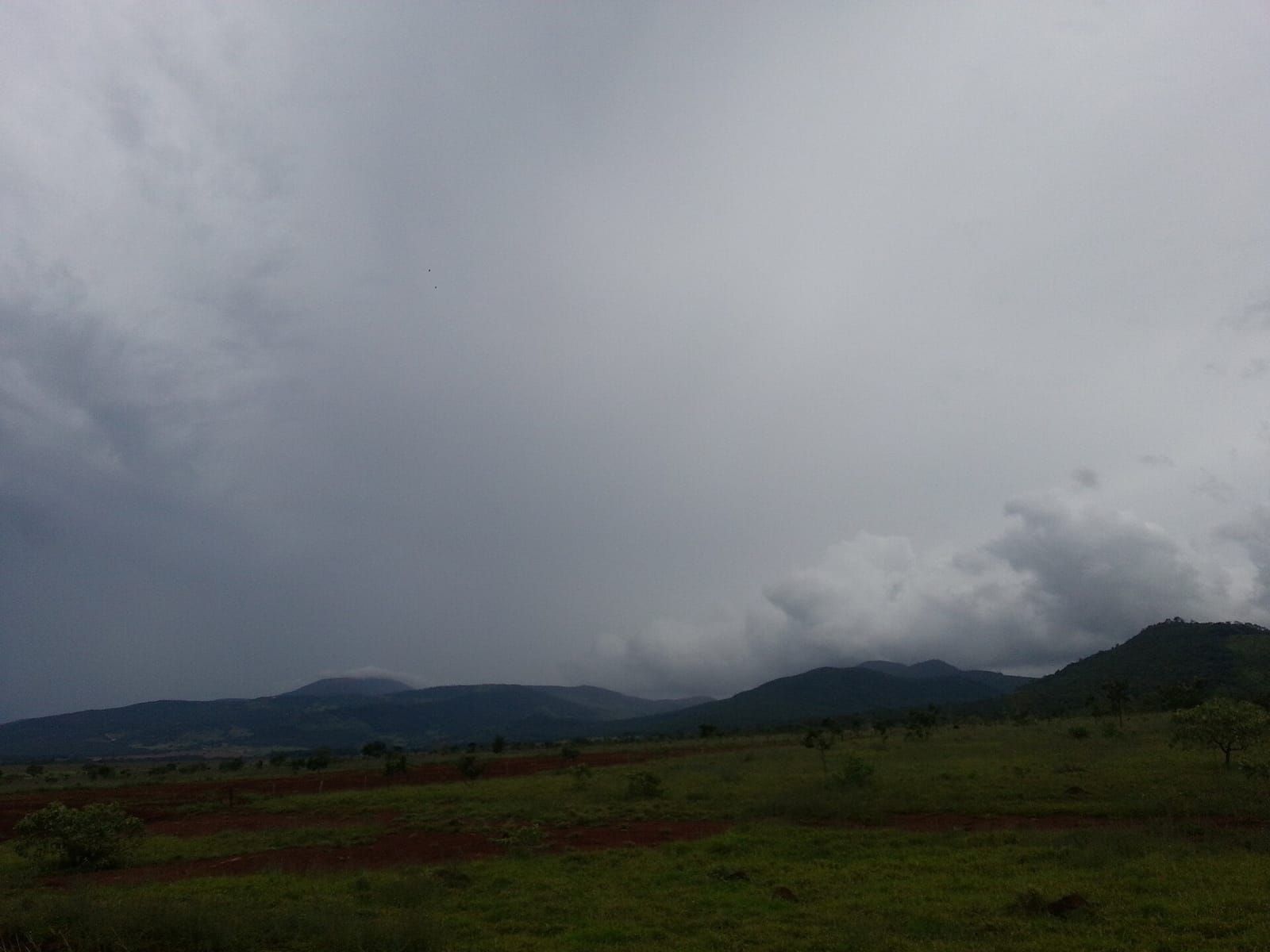 Geography and climate of Barro Alto Where it is, what the terrain is like, where the rivers flow and how rainfall and temperature behave. Read guide
- Economy of Barro Alto: nickel, farming and services An economy with two engines — mining and farming — and what that means for the town. Read guide
- Nickel mining in Barro Alto From the first sign of nickel in 1934 to the ferronickel plant that changed the town's economy. Read guide
- Agribusiness in Barro Alto: rubber, sugarcane and cattle The municipality that produces the most latex in Goiás — and also grows sugarcane and soybeans and raises cattle. Read guide
- Useful phone numbers and public services in Barro Alto Only contacts published in official sources, with the date we checked them. Read guide
Frequently asked questions
What are people from Barro Alto called?
Barro-altense, according to IBGE and the municipality.
Why is the town called Barro Alto?
The village took its name from the Fazenda Barro Alto farm where it formed: a high area ("alto") known for its sticky, abundant clay ("barro"), according to IBGE and the municipality.